

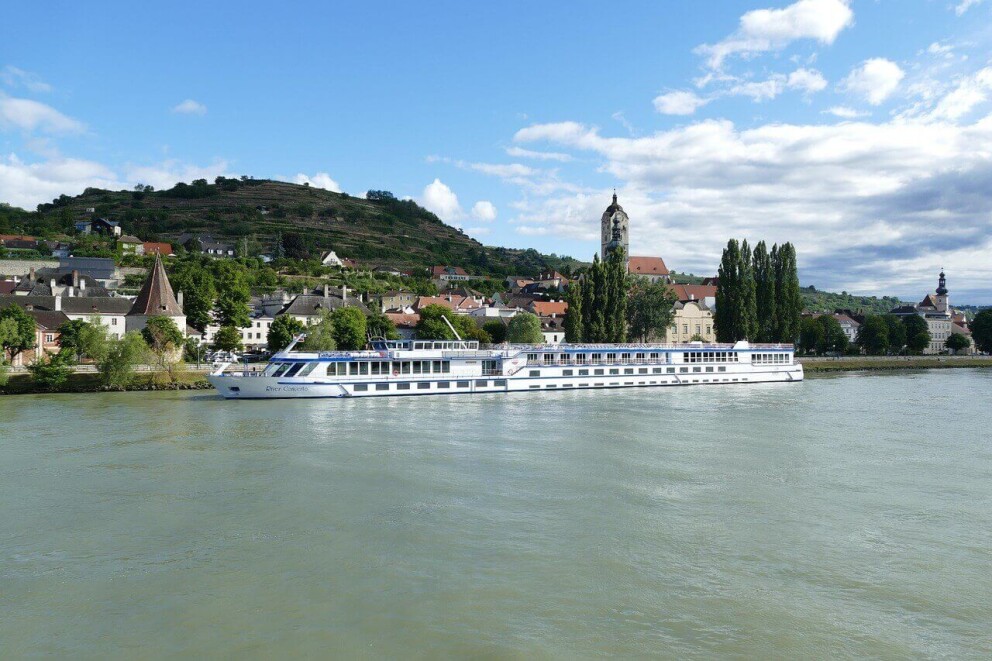




A river cruise is a type of holiday where you travel along inland waterways aboard a purpose‑built ship, visiting a series of ports and riverside destinations while enjoying life on board as your floating hotel moves from one stop to the next. In 2024 the European river cruise sector alone recorded over 1.3 million passengers, up around 14 % on the previous year, illustrating how this style of holiday continues to attract increasing numbers of holidaymakers.
Many travellers are drawn by the chance to explore historic cities and countryside at a relaxed pace, combining sightseeing ashore with comfortable accommodation on board. River cruises also appeal because they often include meals, entertainment and guided excursions as part of the overall experience.
How Does A River Cruise Work?
Unlike a traditional ocean cruise that navigates open seas, a river cruise travels along rivers and canals, often through the heart of cities, towns and countryside. These specially designed vessels are long and narrow with a shallow draft, enabling them to pass under low bridges and through locks that are a feature of many inland waterways.
Daily itineraries typically involve sailing between ports while passengers eat, relax and enjoy scenic views from public decks, cabins or lounges. Because the ships dock in central locations rather than industrial ports, it’s usually easy to step ashore and explore on foot without the need for long transfers.
What Can You Expect On Board?
River cruise ships offer a more intimate and relaxed atmosphere than large ocean liners, generally carrying between about 100 and 200 guests. Accommodation tends to be comfortable and well‑appointed, with cabins offering river views and many featuring balcony or French balcony options.
Public areas typically include one or more dining venues, lounges and sun decks where passengers can enjoy food, drinks and the constantly changing scenery. Daily life on board may include talks, entertainment, informal social activities and opportunities to savour regional cuisine that aligns with the destinations you are visiting.
How Are River Cruises Different From Other Cruises?
The standout difference between river cruises and traditional sea cruises is the scale and pace of travel. River ships are much smaller, creating a friendly and sociable atmosphere that many travellers liken to a boutique hotel experience at sea.
Since river cruises move through inland waterways, you spend much more time close to local life and culture rather than isolated on the open ocean. Every day typically brings a new port of call or riverside town to explore, meaning there is less time spent at sea and more time discovering historic city centres, medieval villages, vineyards, markets and countryside scenery.
What Types Of Activities And Excursions Are Included?
Most river cruises include daily guided excursions as part of the itinerary, often included within the price. These may range from walking tours of historic city centres and visits to UNESCO World Heritage sites to cultural experiences such as wine tastings, cookery classes and local artisan visits. Many travellers find this combination of sightseeing and leisurely cruising the key appeal of the river cruise format.
Where Do River Cruises Travel?
River cruises operate on many waterways around the world. In Europe, the Danube, Rhine, Seine, Rhône and Douro are among the most popular routes, winding through multiple countries and offering a rich blend of interior landscapes and urban stops.
Beyond Europe, rivers such as the Nile, Mekong, Ganges and Yangtze provide exotic and culturally immersive cruise experiences in Africa and Asia. All of these journeys allow passengers to explore destinations that might otherwise be difficult to reach without significant land travel.
Who Are River Cruises Ideal For?
River cruising appeals to a wide range of travellers, from couples and retirees seeking a relaxed cultural holiday to multi‑generational groups interested in history, art and local experiences.
The pace is generally slower than that of ocean cruising, with a focus on exploration and immersion rather than endless onboard entertainment. Many people choose this style of travel precisely because it feels more connected to the regions you visit, with less time unpacking and repacking and more time absorbing the atmosphere of each destination.
What Are The Benefits Of A River Cruise Holiday?
One of the biggest advantages of a river cruise is that you unpack once and let your accommodation move with you, eliminating the stress of changing hotels at every stop. The central docking locations mean you can walk straight into town, something that is not always possible with ocean cruises.
River cruises are also known for offering excellent value, as many include meals, drinks and excursions in the overall price, and they provide a more relaxed and scenic pace with the chance to drink in views right from your cabin or deck.
How Holiday Exclusives Can Help You Book A River Cruise
Whether you are drawn by the history of European capitals, the mystery of ancient river valleys or the lush landscapes of tropical waterways, a river cruise offers a memorable way to explore the world at a gentler pace than a more traditional cruise holiday.
Holiday Exclusives can help you make this dream a reality by offering expertly curated river cruise deals, often including flights, excursions and exclusive onboard benefits! With our guidance and special offers, you can find a river cruise holiday that combines comfort, culture and value, making the planning simple and stress‑free.